 (727) 531-4462(727) 531-4462
Choosing an implant dentist in Pinellas County comes down to seven specific questions about credentials, in-house surgical placement, imaging technology, implant brand, written pricing, surgeon volume, and re-treatment policy. Below: each question with what to listen for, written by Dr. Cecilia Perera — a board-certified periodontist who has placed thousands of implants in Safety Harbor and the surrounding 5–10 mile ring.
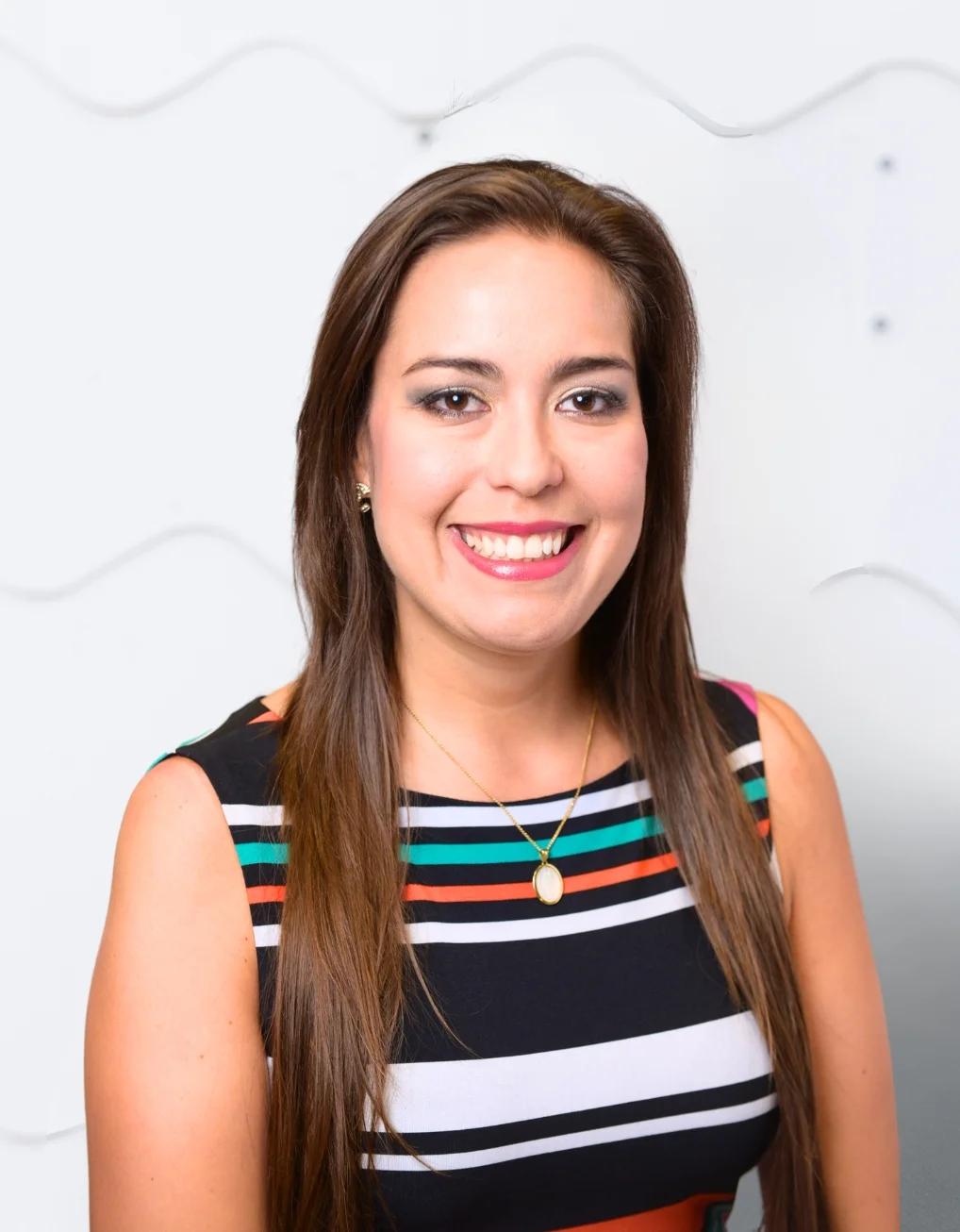 Medically reviewed by Dr. Cecilia Perera, DDS, MS · Board-Certified Periodontist · Diplomate, American Academy of Periodontology · Last reviewed
 For most patients, yes — a board-certified periodontist or oral surgeon should be the one placing the implant surgically. General dentists can place implants legally but periodontists complete an additional 3-year residency specifically in implant surgery and gum tissue management. Ask: "Who places the implant — and what is their training?"
When the surgeon and the restorative dentist are in the same building (and ideally see each other every day), the case is coordinated from day one. When they're in two offices, you become the messenger. Ask: "Will I have to travel to a second office for the crown?"
Cone-beam CT is the standard of care for implant placement in 2026 — it shows bone quantity, sinus position, and nerve location in 3D, vs the 2D guess of a panoramic X-ray. Ask: "Do you take a 3D scan before placing the implant?"
Premium brands like Straumann, Nobel Biocare, and BioHorizons have decades of clinical research and lifetime warranties. Generic implants exist and cost less but have limited replacement options if the implant fails years from now. Ask: "What brand of implant will you place, and is it covered by manufacturer warranty?"
Yes is the only acceptable answer. Implant treatment is too expensive to start without a complete cost in writing. Ask: "Can I see the full treatment plan and price in writing before scheduling the surgery?"
Volume matters. A surgeon who places 200+ implants/year has different muscle memory than one who places 20. Ask: "How many implants does Dr. [name] place each year?"
Implant failure is rare (under 5% over 10 years) but it happens. A reputable office has a written re-treatment policy. Ask: "What happens if my implant fails — do you re-place it at no cost during the warranty period?"
Typically 4–7 months from first consult to final crown for a single-tooth case. Bone grafting cases add 3–6 months. Full-arch (All-on-4) cases run 6–9 months.
Yes. Walk away from any office that quotes a single price without imaging, that won't name the surgeon placing the implant, that uses generic implants without warranty, that pushes immediate decisions, or that won't share their re-treatment policy.
Implants at Baker are placed in-house by Dr. Cecilia Perera, a board-certified periodontist and Diplomate of the American Academy of Periodontology. Surgical and restorative phases are coordinated under one roof. Cone-beam CT planning. Premium implant brands. Written treatment plan before any work.